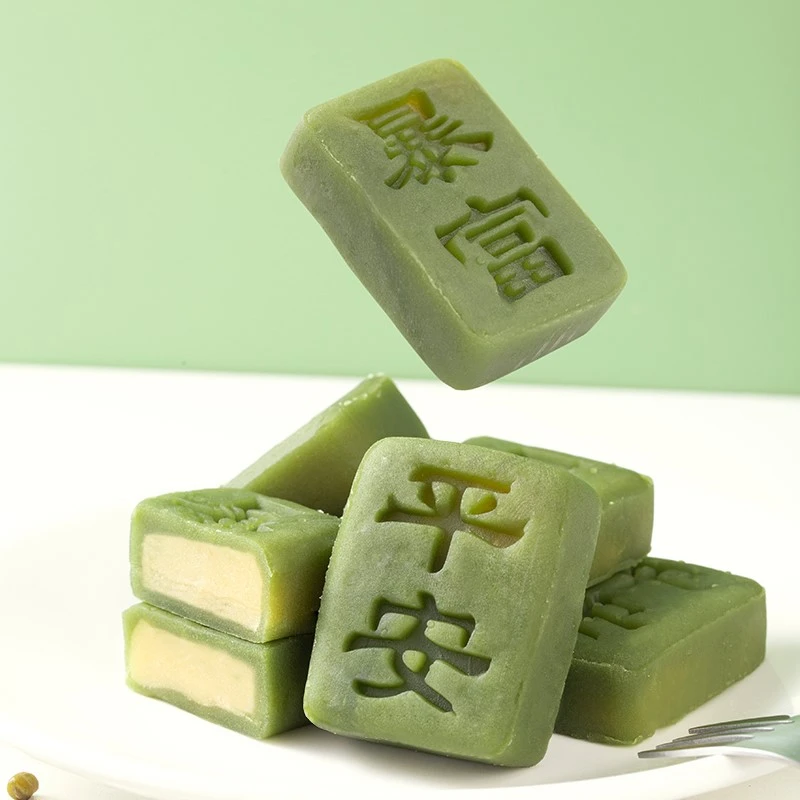
It contains protein (mainly globulins), fat, carbohydrates, calcium, phosphorus, iron, and vitamins A, B, and C.
It contains protein, fat, carbohydrates, vitamins B1 and B2, carotene, niacin, folic acid, and minerals such as calcium, phosphorus, and iron.
The protein it contains is mainly globulins, rich in lysine, leucine, and threonine, but relatively low in methionine, tryptophan, and tyrosine. Cooking it with millet porridge can enhance its nutritional value.
The mung bean skin contains 21 inorganic elements, with phosphorus being the most abundant. It also contains vitexin and β-sitosterol. Every 100 grams of mung beans contains 22.1 grams of protein, 0.8 grams of fat, and 59 grams of carbohydrates.
Furthermore, according to measurements, every 100 grams of mung beans also contains 21.6 grams of protein. Eating mung beans to supplement protein can improve immunity, enhance resistance, replenish energy, and eliminate fatigue. Mung beans are also rich in calcium, which helps supplement calcium and promotes healthy bone development and maintenance. Mung beans also offer many other health benefits, such as clearing heat and detoxifying, improving appetite, protecting the kidneys, and preventing coronary heart disease.
Clearing heat and detoxifying: Mung beans are rich in dietary fiber and potassium, which promotes bowel movements and urination, and has an inhibitory effect on viruses, thus clearing heat and detoxifying.
Improving appetite: Mung beans are rich in protein and phospholipids, which can stimulate nerve activity, improve bodily functions, increase nutrition, and improve appetite.
Protecting the kidneys: Mung beans contain abundant trypsin inhibitors, which can reduce protein breakdown and protect the kidneys.